2026 FARA Fellow Awards

The FARA Fellow Program recognizes young investigators who are committed to building careers in Friedreich ataxia research and strengthening the FA scientific community.

Fellows receive a cash award and support to participate in key scientific meetings, fostering collaboration, mentorship, and professional development while accelerating progress toward treatments and cures for Friedreich ataxia.

FARA is proud to announce the 2026 FARA Fellow Awards to:

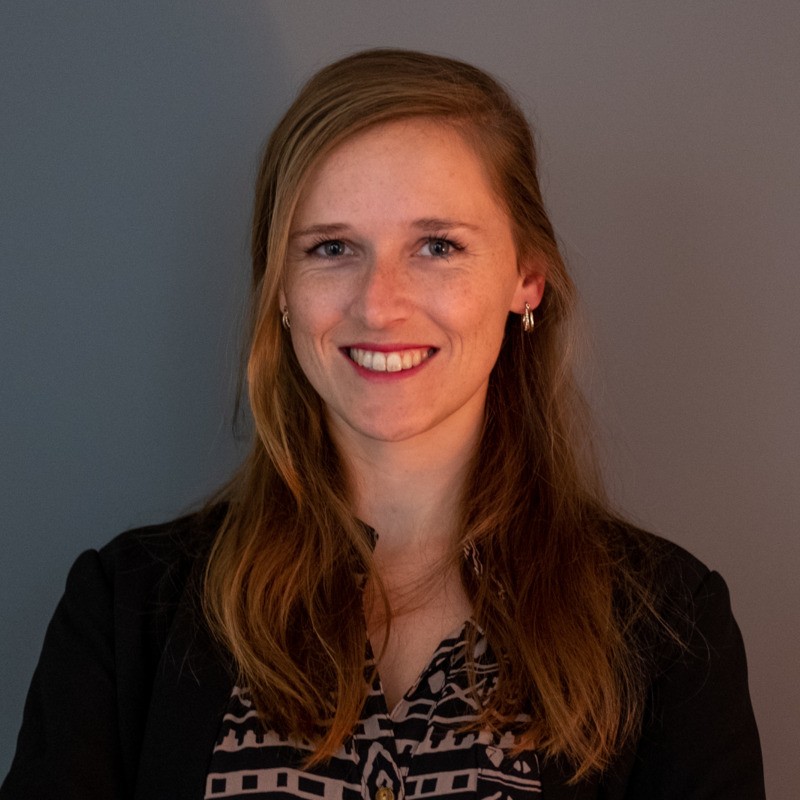
Elizabeth Mercado Ayon, PhD

Children's Hospital of Philadelphia / University of Pennsylvania

Mentor: Dr. David Lynch

Dr. Elizabeth Mercado Ayon recently completed her PhD in Cell and Molecular Biology at the University of Pennsylvania after nearly eight years of research training in the laboratory of Dr. David Lynch. Her work has focused on the neurological manifestations of Friedreich ataxia, particularly the mechanisms underlying cerebellar dysfunction and neurodegeneration.

Using multiple FA mouse models, Dr. Mercado Ayon identified early synaptic and neurochemical abnormalities that occur before neuronal loss, including selective deficits in the AMPA receptor subunit GluR2. Her current research demonstrates impaired GluR2 palmitoylation in cerebellar Purkinje cells, linking altered lipid metabolism to synaptic dysfunction and suggesting new therapeutic opportunities for FA. She has also contributed to studies investigating mitochondrial dysfunction, ketone body metabolism, NAD+ precursor therapies, and frataxin restoration strategies.

Dr. Mercado Ayon has authored 11 publications during her time in the Lynch laboratory, including four first-author papers, and has established herself as a promising investigator dedicated to advancing our understanding of FA neurobiology.

Module 3A 2

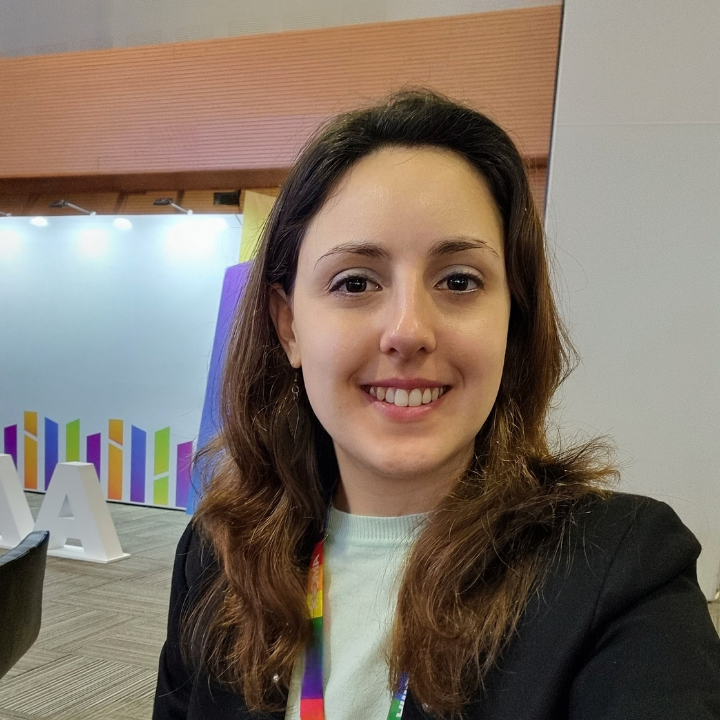
Carla Pernaci, PhD

University of California San Diego

Mentor: Dr. Nicole Coufal

Dr. Carla Pernaci is a postdoctoral researcher in the laboratory of Dr. Nicole Coufal at the University of California San Diego. Building on doctoral training in Switzerland focused on Purkinje cell degeneration in spinocerebellar ataxia type 1, she has developed expertise in cerebellar biology, neuronal vulnerability, and disease modeling.

At UC San Diego, Dr. Pernaci has taken a leadership role in multidisciplinary FA research utilizing patient-derived induced pluripotent stem cells (iPSCs), CRISPR-edited cell lines, co-culture systems, and human microglial xenotransplantation models. Her work has advanced understanding of microglial dysfunction as a key contributor to neurodegeneration in FA and led to a first-author publication in Nature Communications demonstrating that microglial pathology plays a primary role in neuronal injury.

Through her innovative research and collaborative approach, Dr. Pernaci is helping to uncover new cellular mechanisms driving disease progression in FA.

Module 3A 1

Jessy van Asperen, PhD

NeuroMyoGène Institute, University of Lyon

Mentor: Dr. Hélène Puccio

Dr. Jessy van Asperen is a postdoctoral researcher in the laboratory of Dr. Hélène Puccio at the NeuroMyoGène Institute, University of Lyon. She earned her PhD in Neuroscience from Utrecht University and was previously awarded a prestigious Marie Skłodowska-Curie Postdoctoral Fellowship.

Dr. van Asperen combines zebrafish genetics, CRISPR genome engineering, live imaging, and developmental neurobiology to study disease mechanisms in Friedreich ataxia. Her current research focuses on developing novel zebrafish models carrying the equivalent of the human FXN R165C mutation to better understand why this rare genetic variant produces a clinical presentation distinct from classical FA.

Her work aims to identify cell type–specific vulnerabilities and reveal previously unrecognized functions of frataxin, providing valuable insight into the biological mechanisms underlying FA and potential therapeutic targets.

Van Asperen Maanasa Jayachandran

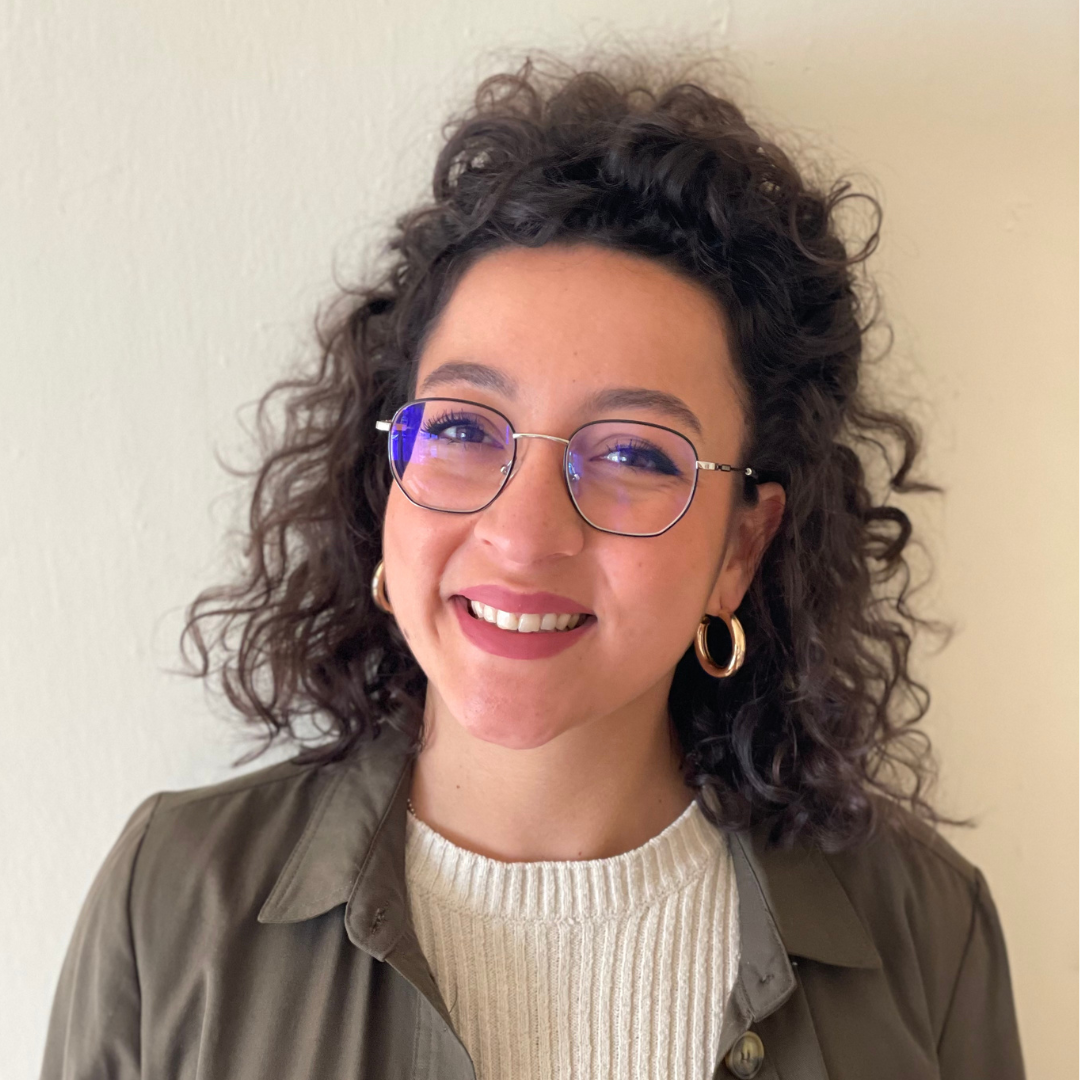
Marcela Inés Coianis, PhD

Institute of Biosciences, Biotechnology and Translational Biology, University of Buenos Aires

Mentor: Dr. Javier Santos

Dr. Marcela Inés Coianis recently completed her PhD in Biomedical Sciences at the University of Buenos Aires with highest distinction and is now beginning postdoctoral training in the laboratory of Dr. Javier Santos.

During her doctoral studies, Dr. Coianis investigated endocrine-resistant breast cancer, developing expertise in molecular disease mechanisms, biomarker discovery, patient-derived models, and translational therapeutic development. She is now applying these skills to Friedreich ataxia research by studying mitochondrial iron-sulfur cluster biogenesis and frataxin deficiency through the development of novel VHH-based tools targeting FDX2.

Her research integrates protein engineering, AI-assisted antibody design, super-resolution microscopy, and patient-derived cellular models to better understand FA disease mechanisms and identify future therapeutic opportunities. Dr. Coianis represents an exciting new addition to the FA research community with strong translational research capabilities and significant potential for future impact.

Module 3A 1 1