FUNDING FA RESEARCH

Grant Program

FARA supports research through funding competitive grants across the spectrum from basic research through drug development and clinical research programs in Friedreich’s ataxia (FA). FARA promotes collaboration among scientists, advocates for public-private partnerships, and hosts open forums for leading scientists to share their insights and ideas to advance therapeutic development for FA.

All investigators interested in FA-related research are invited to submit a Letter of Intent (LOI) through FARA’s grant submission portal. All proposed research must fall within FARA’s Grant Program Priorities.

FARA-Funded Grants

FUNDED GRANT | Nov 2025

Unravelling cell type sensitivity to frataxin depletion versus partial frataxin dysfunction using zebrafish models

Postdoctoral Research Award, Cell & Animal Models Jessy Van Asperen, PhD,
University of Lyon, France
FUNDED GRANT | Oct 2025

Investigating satellite glial cell phenotypes and functions in the pathogenesis of Friedreich’s ataxia

General Research Grant, Mechanism or Pathway of Disease Cendra Agulhon, PhD,
Centre national de la recherche scientifique
FUNDED GRANT | Oct 2025

Discovery of genetic suppressor mutations that rescue frataxin deficiency

General Research Grant, Mechanism or Pathway of Disease Joshua D. Meisel, PhD ,
Brandeis University
FUNDED GRANT | Oct 2025

Pre-clinical assessment of protein replacement therapy in the central nervous system of Friedreich’s ataxia mouse models

General Research Grant, Drug Discovery Macarena Sanchez Navarro, PhD; Jordi Magrane, PhD; Joaquim Ros, PhD,
Instituto de parasitología y biomedicine; Weill Cornell Medicine; Universitat de Lleida
FUNDED GRANT | Oct 2025

Advancing FA Treatment: Exploring the Pharmacology of Neonatal Cardiac Progenitor Cells for Cardiac and Neuroprotection

Kyle Bryant Translational Research Award, Lead Candidates Sudish Sharma, PhD; Elena Dedkova, PhD,
Secretome Therapeutics; University of California Davis
FUNDED GRANT | Oct 2025

Exploring the Role of Extracellular Traps in the Pathogenesis of Friedreich’s Ataxia

Award for Innovative Mindset (AIM), Mechanism or Pathway of Disease Katia Aquilano, PhD ,
University of Rome Tor Vergata, Italy
FUNDED GRANT | Sep 2025

Does Frataxin Deficiency Disrupt GluR2 Trafficking in the Cerebellum via Defects in Palmitoylation?

Graduate Research Fellowship, Mechanism or Pathway of Disease Elizabeth Mercado-Ayon,
University of Pennsylvania
FUNDED GRANT | Sep 2025

Leveraging Real-World Data to Define Clinical Milestones and Assess Pharmacologic Impact in Friedreich’s Ataxia Progression

General Research Grant, Outcome Measures & Biomarkers Charles Venuto, PharmD,
University of Rochester
FUNDED GRANT | Sep 2025

Preclinical evaluation of novel targets for FRDA cardiomyopathy

Graduate Research Fellowship, Mechanism or Pathway of Disease Li Li,
St Vincent’s Institute of Medical Research, Melbourne, Australia
FUNDED GRANT | Sep 2025

Lipidomic profiling and analyses of Friedreich’s Ataxia iPSC-derived dorsal root ganglia sensory neurons

General Research Grant, Mechanism or Pathway of Disease Mirella Dottori, PhD,
University of Wollongong
FUNDED GRANT | Aug 2025

Histone H3 Enzyme Activity as a Regulator of Iron-Sulfur Cluster Stability in Friedreich’s Ataxia

Award for Innovative Mindset (AIM), Mechanism or Pathway of Disease Siavash Kurdistani, MD,
University of California Los Angeles
FUNDED GRANT | Aug 2025

Investigating new epigenetic repressor complexes involved in silencing the FXN locus in cells from FRDA patients

Award for Innovative Mindset (AIM), Mechanism or Pathway of Disease Patrick Lomonte, PhD and Hélène Puccio, PhD ,
Université Claude Bernard - Lyon I
TOOLS FOR FOR RESEARCHERS & INDUSTRY

Research Resources

FARA provides valuable resources designed to support industry partners and researchers dedicated to advancing research and development for FA. Whether you’re a seasoned researcher or a new entrant to the field, FARA can offer tools to build the foundation you need to make significant contributions to the FA research landscape.

ADVANCING RESEARCH AND THERAPEUTIC DEVELOPMENT

Research Initiatives

FARA’s research initiatives are organized efforts aimed at advancing knowledge about FA through research. These initiatives put the patient voice in the forefront and focus on collaboration between researchers across countries and continents, bridging gaps in knowledge to benefit all stakeholders.

FARA funds FA research through 3 different mechanisms: the grant program, institutional supported programs and FARA directed projects. FARA believes the sum of these initiatives to be most impactful in advancing research and therapeutic development. The goal is to drive the science, facilitate access to resources, promote collaboration among FA investigators and encourage public/private partnerships.

Learn More About FARA's Research Initiatives

FA Global Clinical Consortium

FARA Directed Research

Institutional Supported Programs

PROGRESS OF RESEARCH AND DEVELOPMENT ON LEAD THERAPEUTIC CANDIDATES

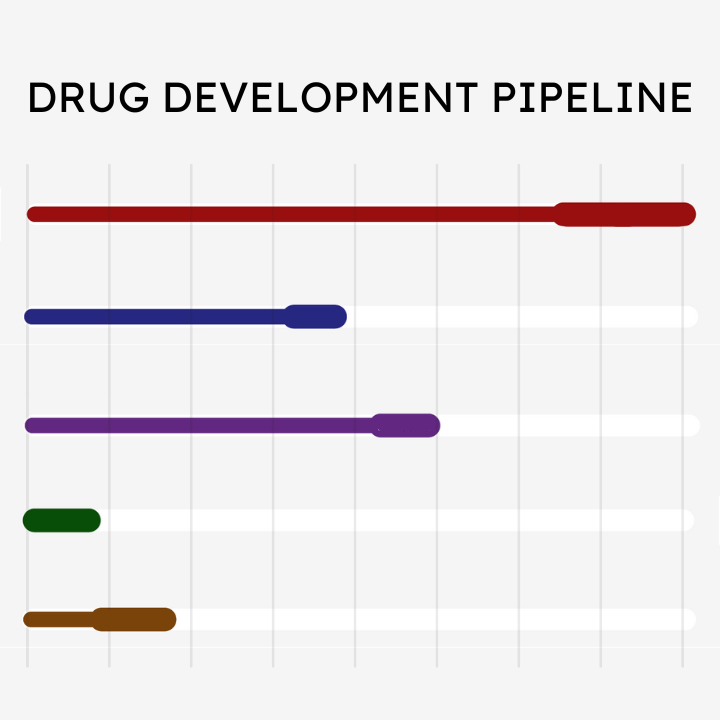
Drug Development Pipeline

FARA supports the advancement of treatments with financial resources, advocacy, patient engagement and/or fostered collaboration. FARA believes that there is merit in each of these approaches and that effective treatment of FA will come in the form of a "cocktail approach" – a combination of two or more therapies.

This pipeline focuses on drugs that are already in preclinical development or have advanced to human clinical trials, and descriptions are updated regularly as new information becomes available.

Drug Development Pipeline
drug development pipeline
PLAY A ROLE IN THE SEARCH FOR TREATMENTS AND CURES

Participate in Research

Participation in FA research directly influences the treatments that reach those living with FA, potentially shortening the timeline for access to life-changing advancements.

Clinical trials are the final step before therapies reach the wider community, making them an important step on the journey to slow, stop, reverse, and cure FA.

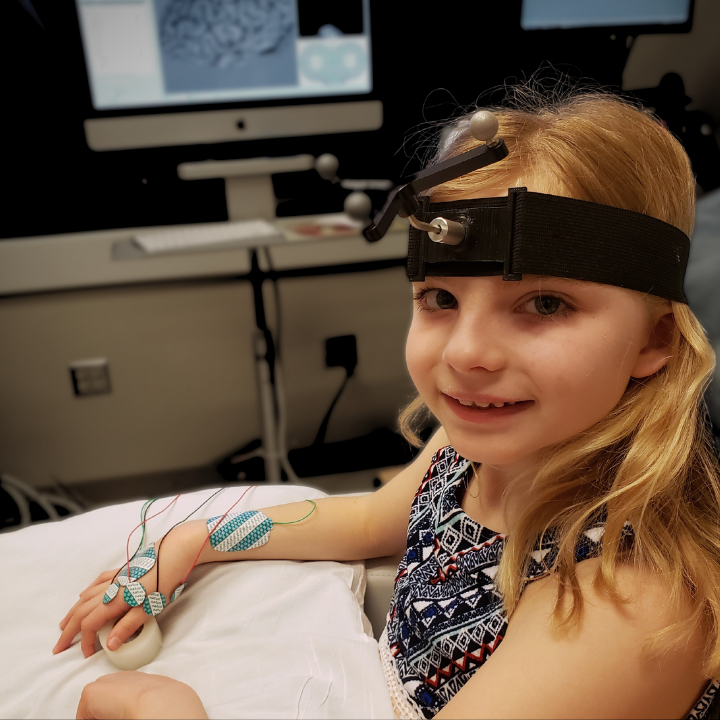
Young girl in hospital